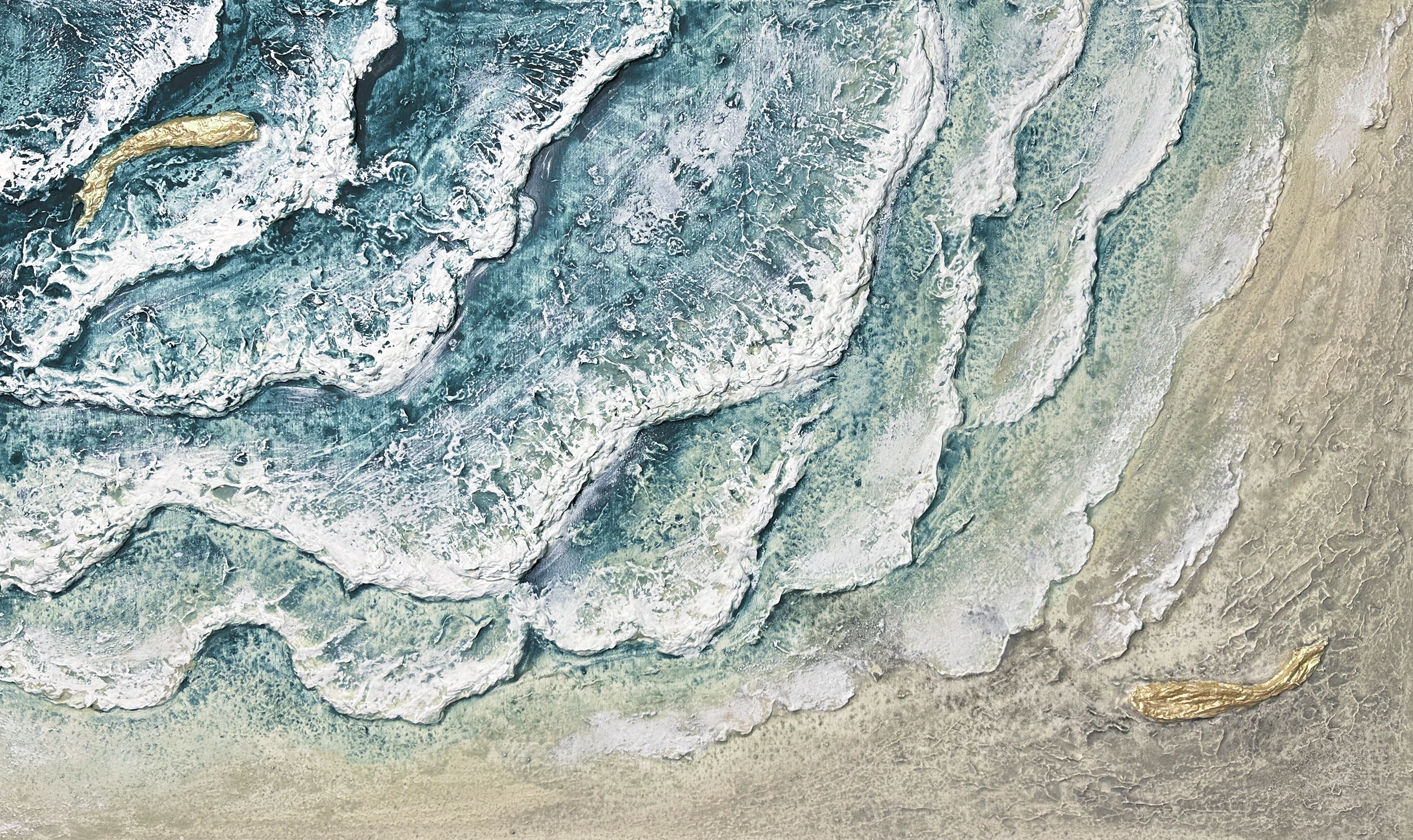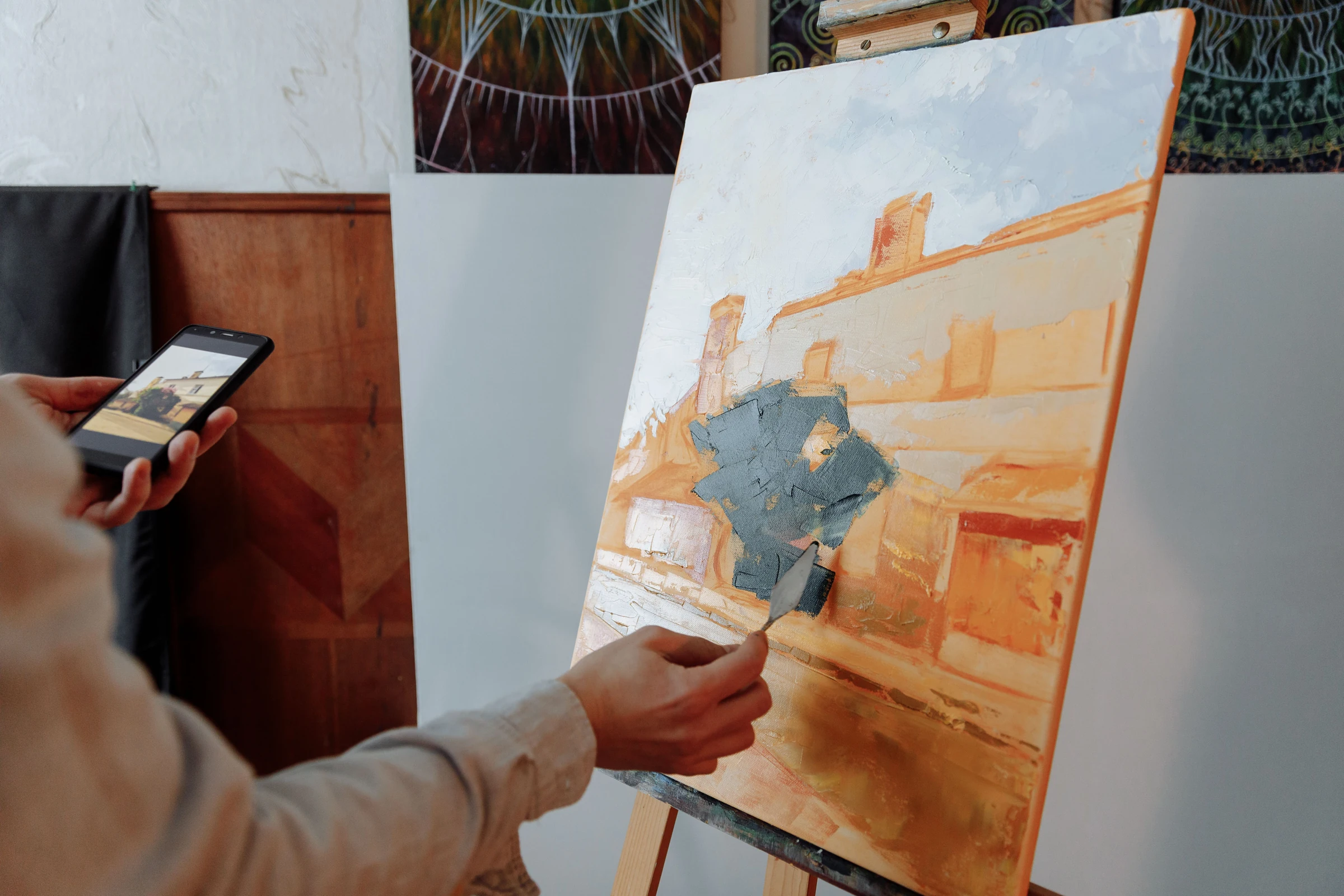
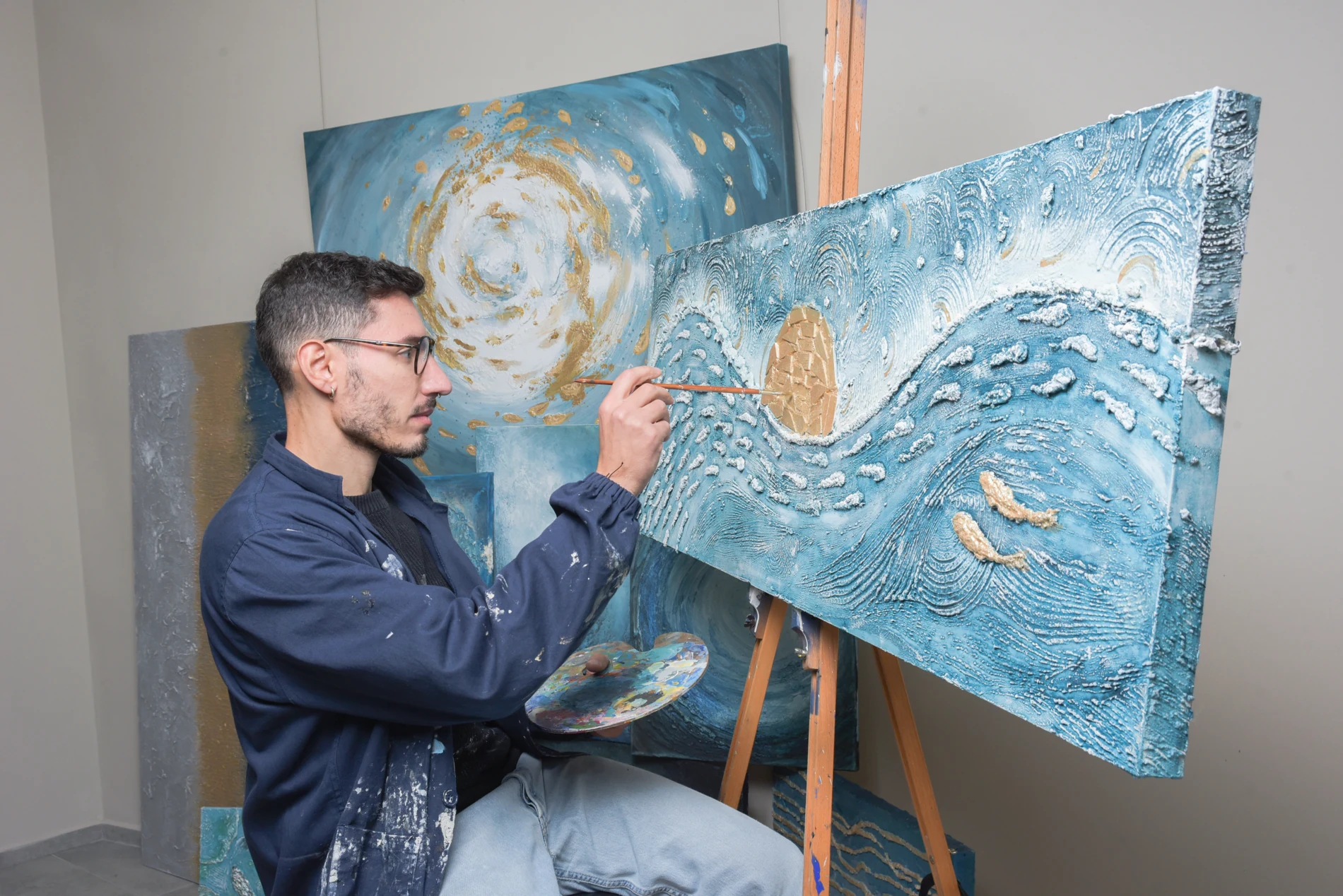
A hand-painted work and a print may share the same support, canvas, but are made through different processes. In the former, the image develops through painting; in a canvas print, an image is transferred to the fabric, often through a digital process. Read the product description and ask how it was made: the support alone does not identify the technique.
Canvas is the support, not the process
The words “on canvas” tell you where the image sits, but do not explain how it was made. Look for more precise terms: painting, digital print, reproduction or mixed media. If the description only uses general words such as artwork, ask the seller to explain before comparing prices and sizes.
A painting can have thin, even passages, while a print can photographically reproduce brushstrokes and shadows. Prints may also receive later interventions by hand. A phone image, or a detail that appears three-dimensional, is therefore not sufficient evidence of the process used.
How the surface experience differs
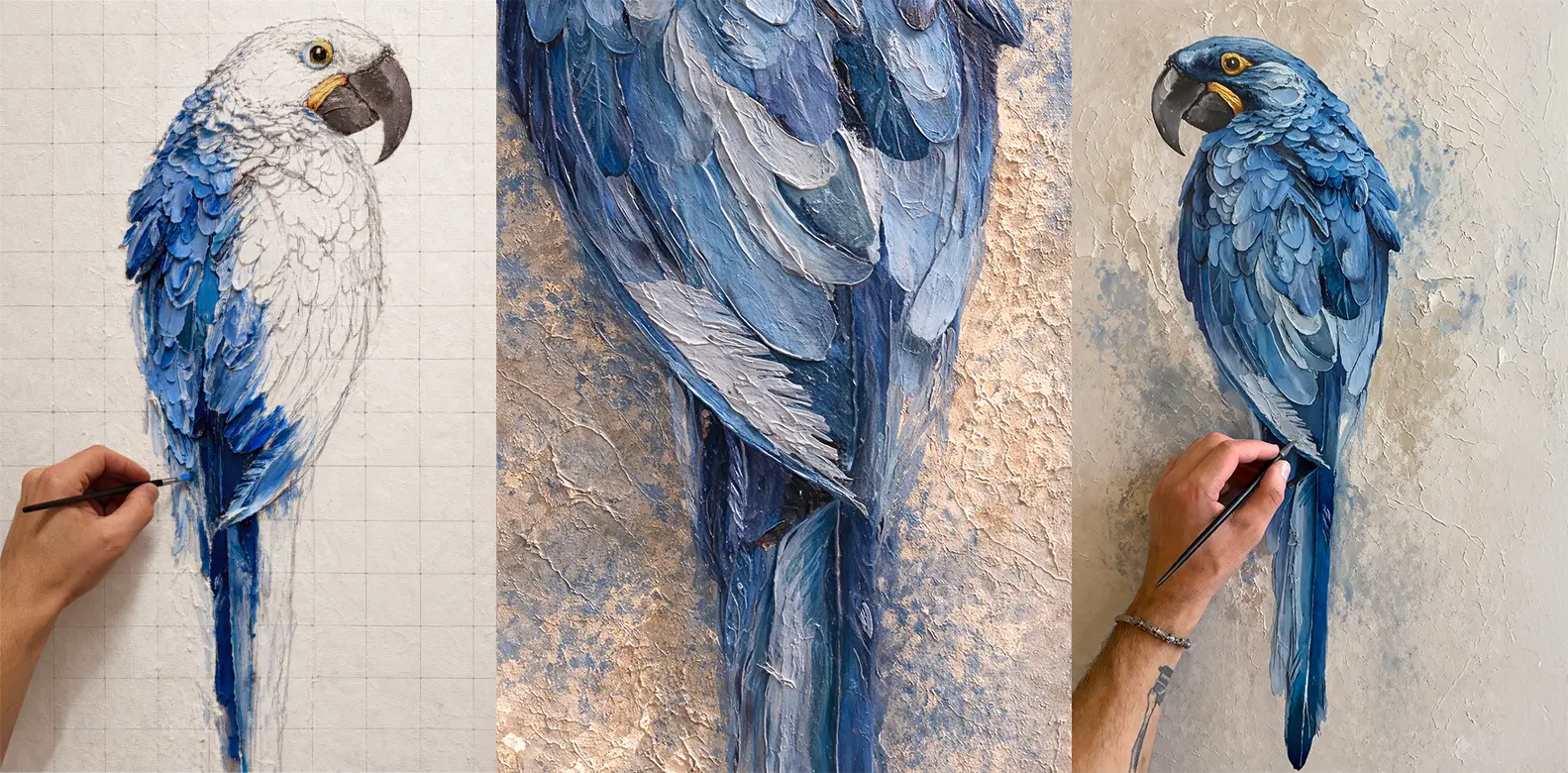
In a textured painting, real raised areas produce shadows and reflections that change with viewpoint. In a photographic reproduction, those shadows may already be part of the printed image. A side-view video and an accurate description help distinguish the surface from the photograph.
Do not turn this difference into an automatic ranking. A print may suit you if you want a specific image and understand its characteristics. A hand-painted work may appeal because of the artist’s process, the variations of paint and, for a commission, the shared design journey.
Explore what makes a surface textured →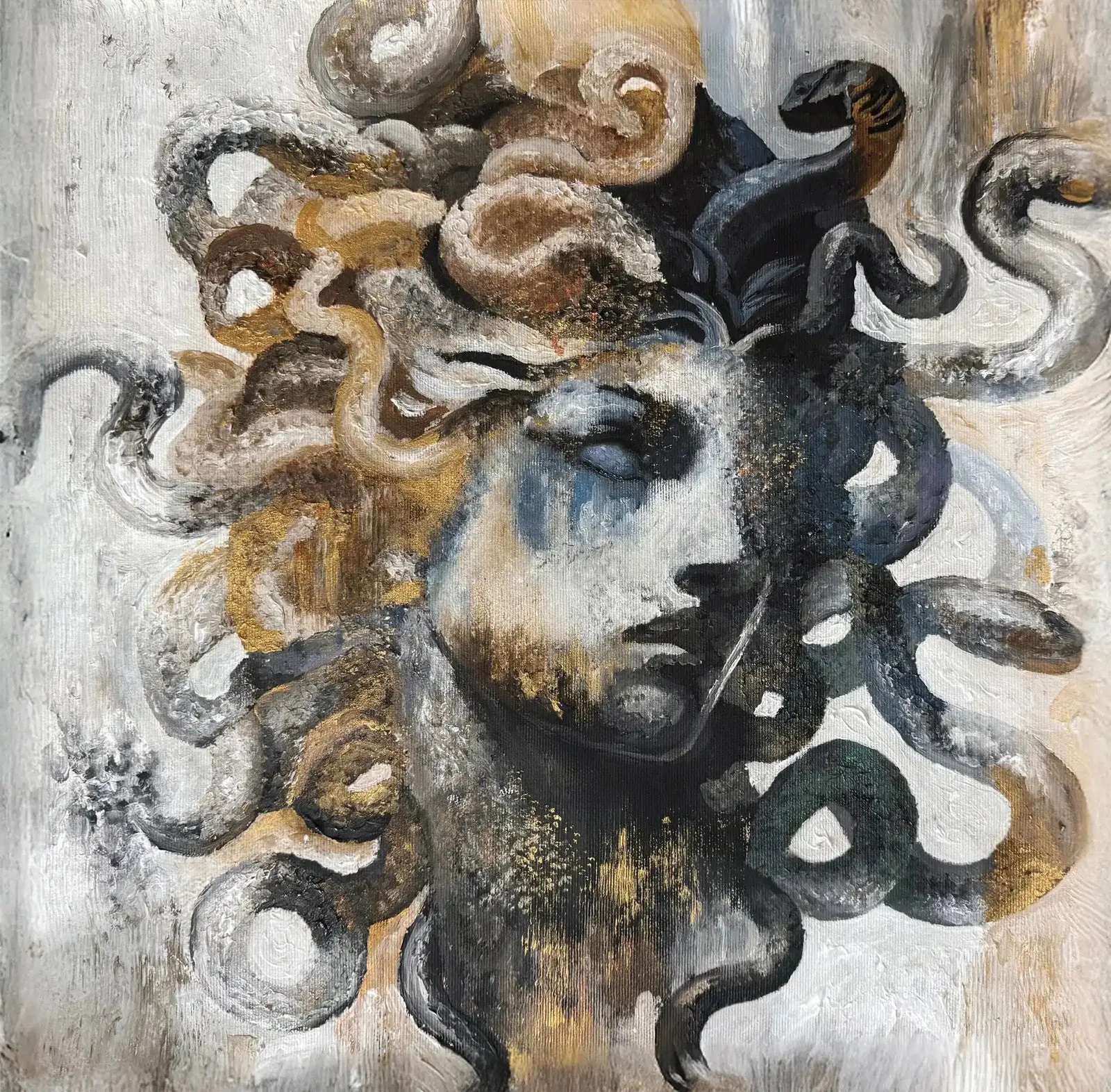
Fine-art prints and reproductions are different
The word print also includes artistic processes such as woodcut and screenprinting. A work conceived through printmaking should not automatically be confused with a digital reproduction of an existing painting. Ask about the technique and the artist’s role in making it.
If an edition is mentioned, ask what the numbering, edition size and supplied documents mean. A signature or certificate does not replace a clear description and verifiable provenance. This guide helps you ask relevant questions; authenticating an artwork requires specific checks.
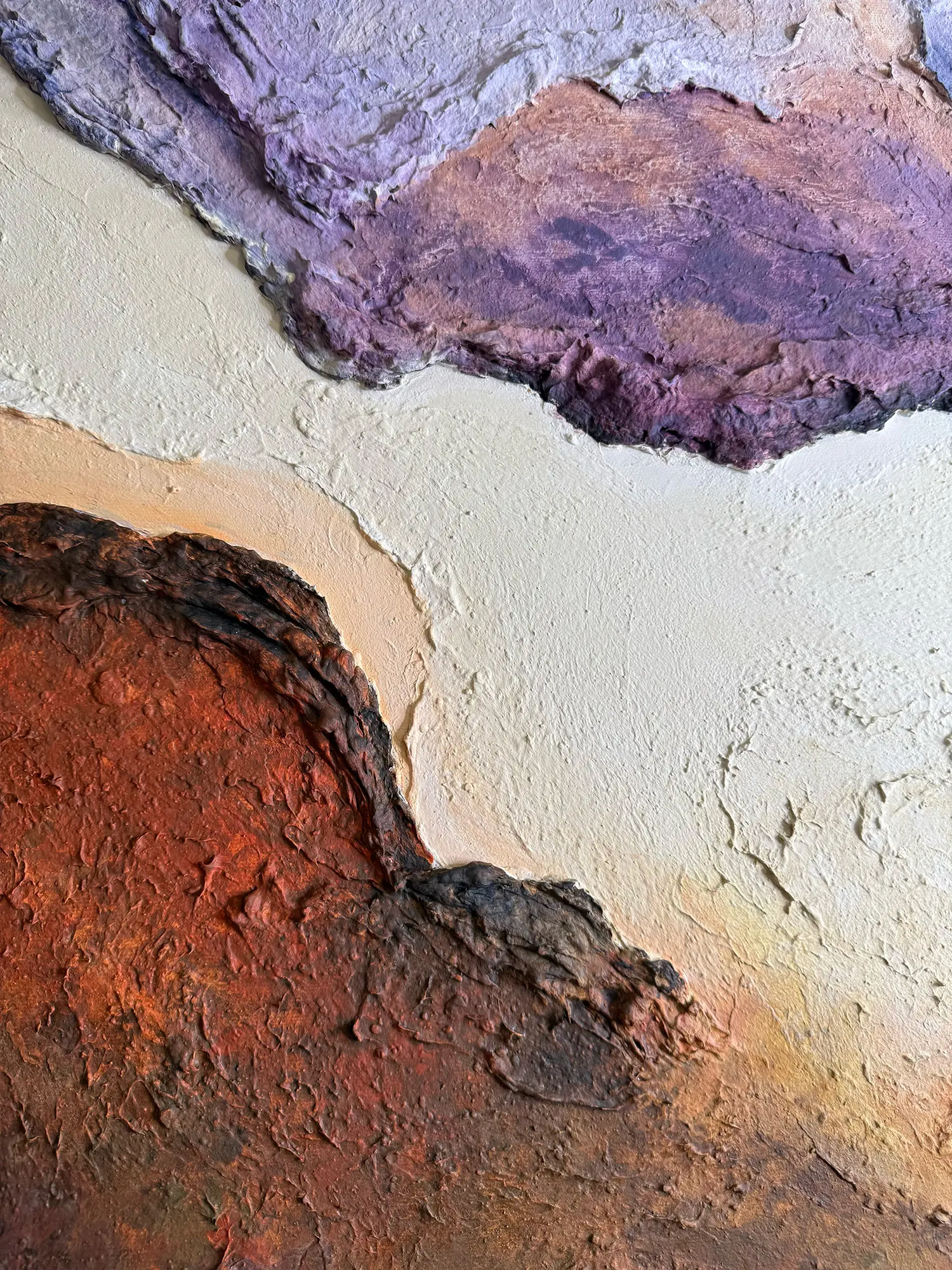
Five things to ask before buying
Ask about the making process, the dimensions of the work and any frame, the stated materials, the included documentation and the care instructions. These five practical details make different offers easier to compare. If something matters to you, have it specified in writing in the description or purchase confirmation.
For a commission, add the characteristics you want to agree on: subject, format, palette and project development. Images of the working stages help you understand the process, but do not turn a digital proposal into a photograph of an already completed painting. Always distinguish proposal, preview and finished work.
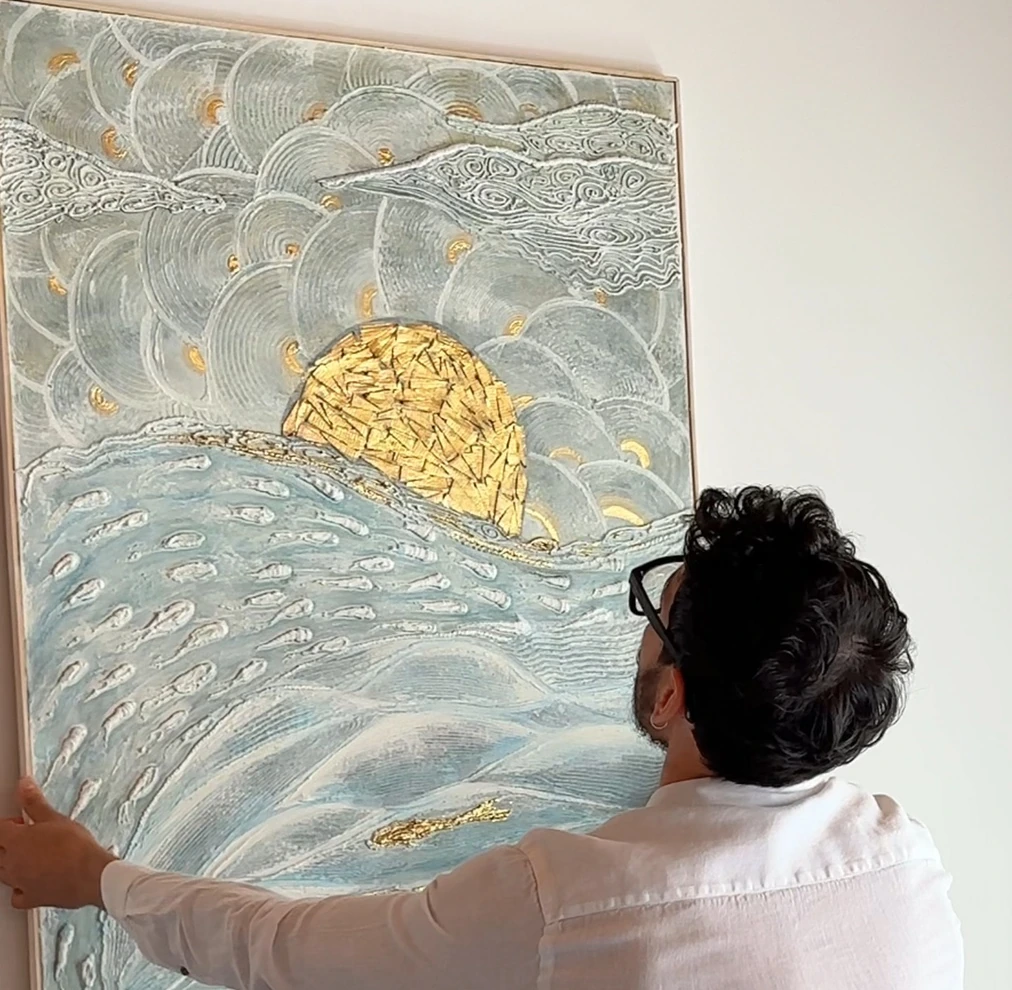
Where our work fits
Quadri su Commissione offers paintings made by hand by Alessandro Vinci and designed around the request and the setting. The process can begin with one of his subjects, a brief or a personal story. Studies and previews support discussion before painting; photographs and videos then follow the work in progress.
Costs, timing and characteristics are agreed for the project. The artwork comes with a certificate of authenticity and care instructions. To assess a commission, look at both completed works and their stories: they help you understand the artist’s language and the kind of collaboration offered.
Explore the process of commissioning a painting →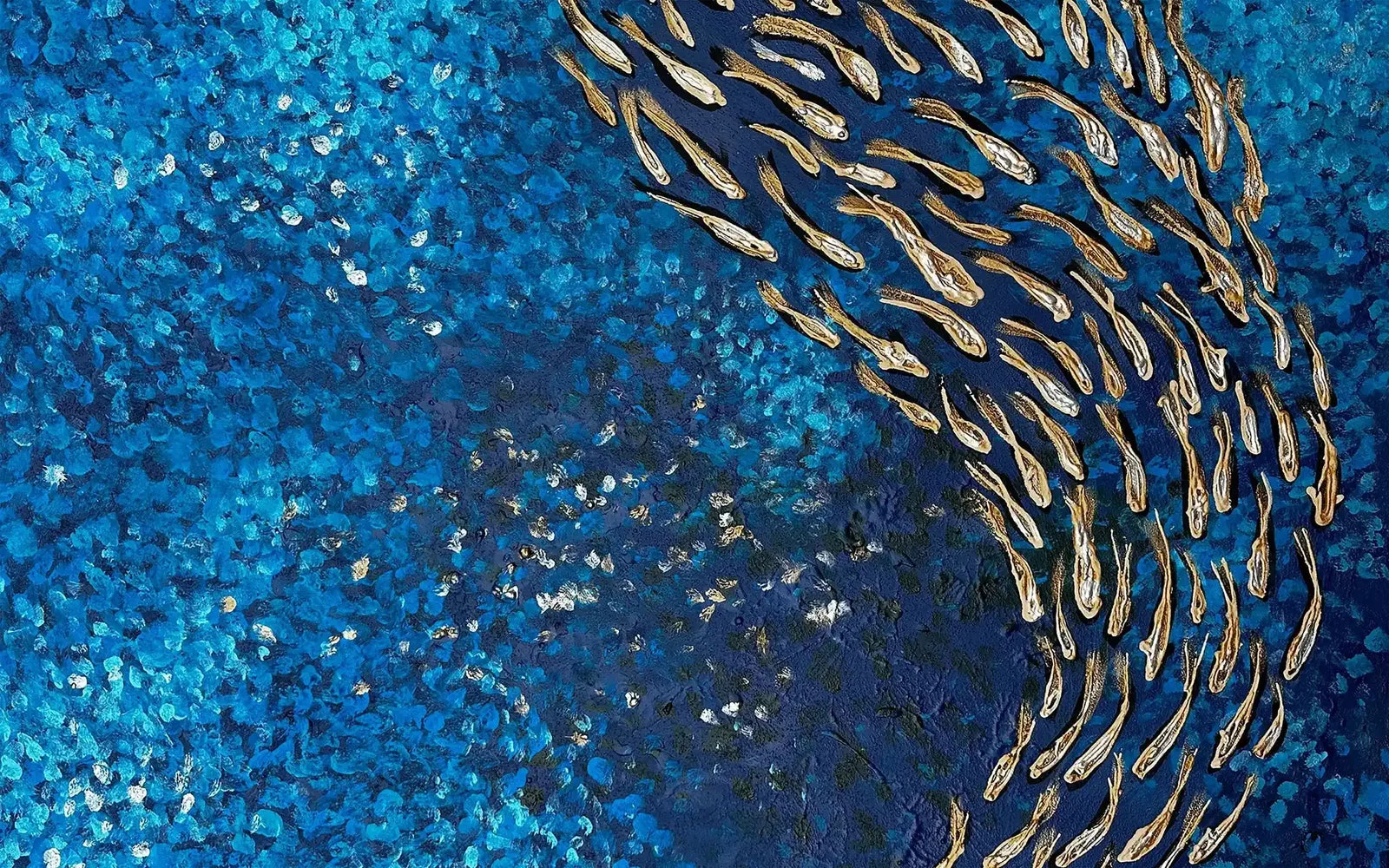
If you want a painting made for your space, we can begin with the artwork that caught your eye and discuss its process, characteristics and design possibilities.
Get to know our painting practice →