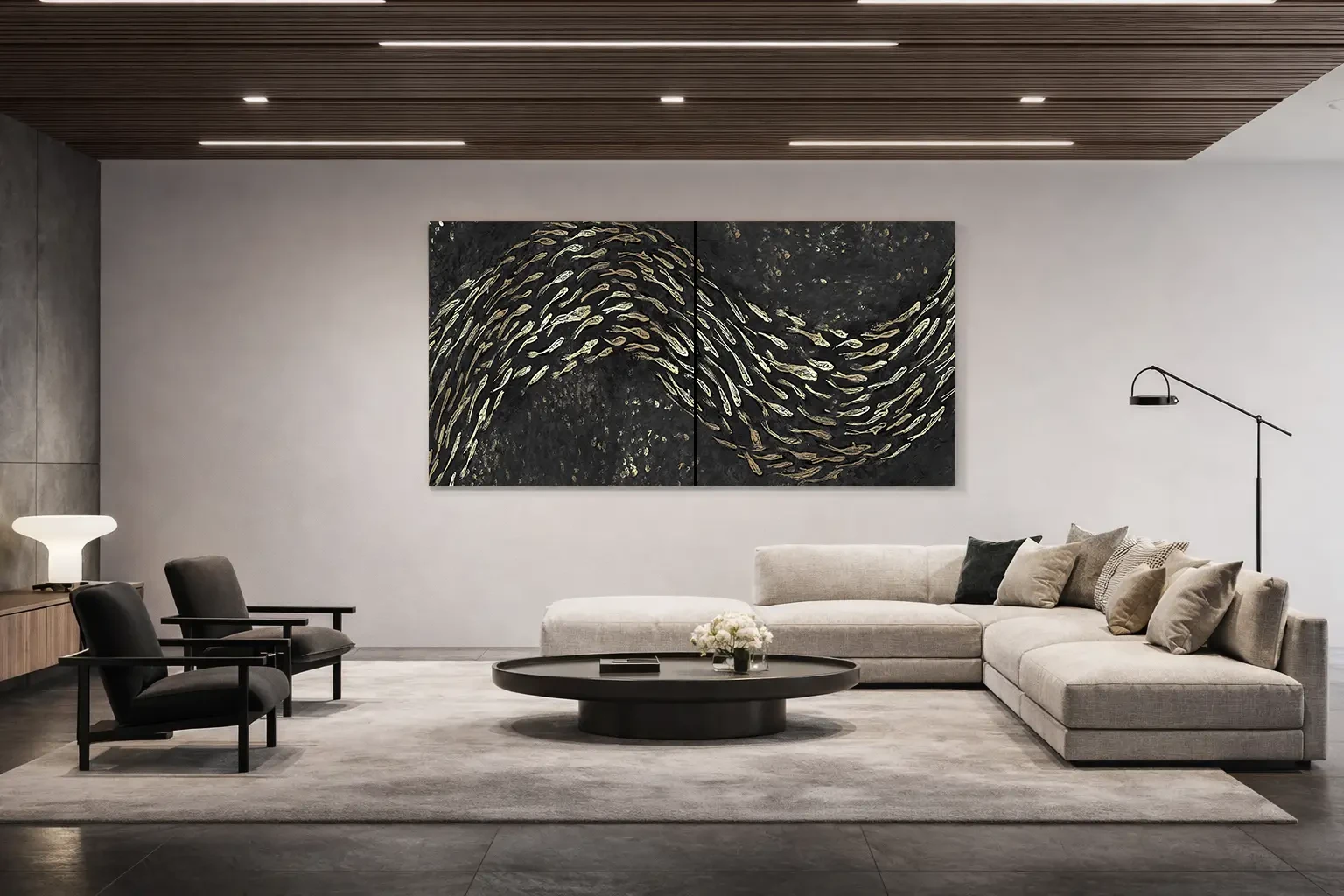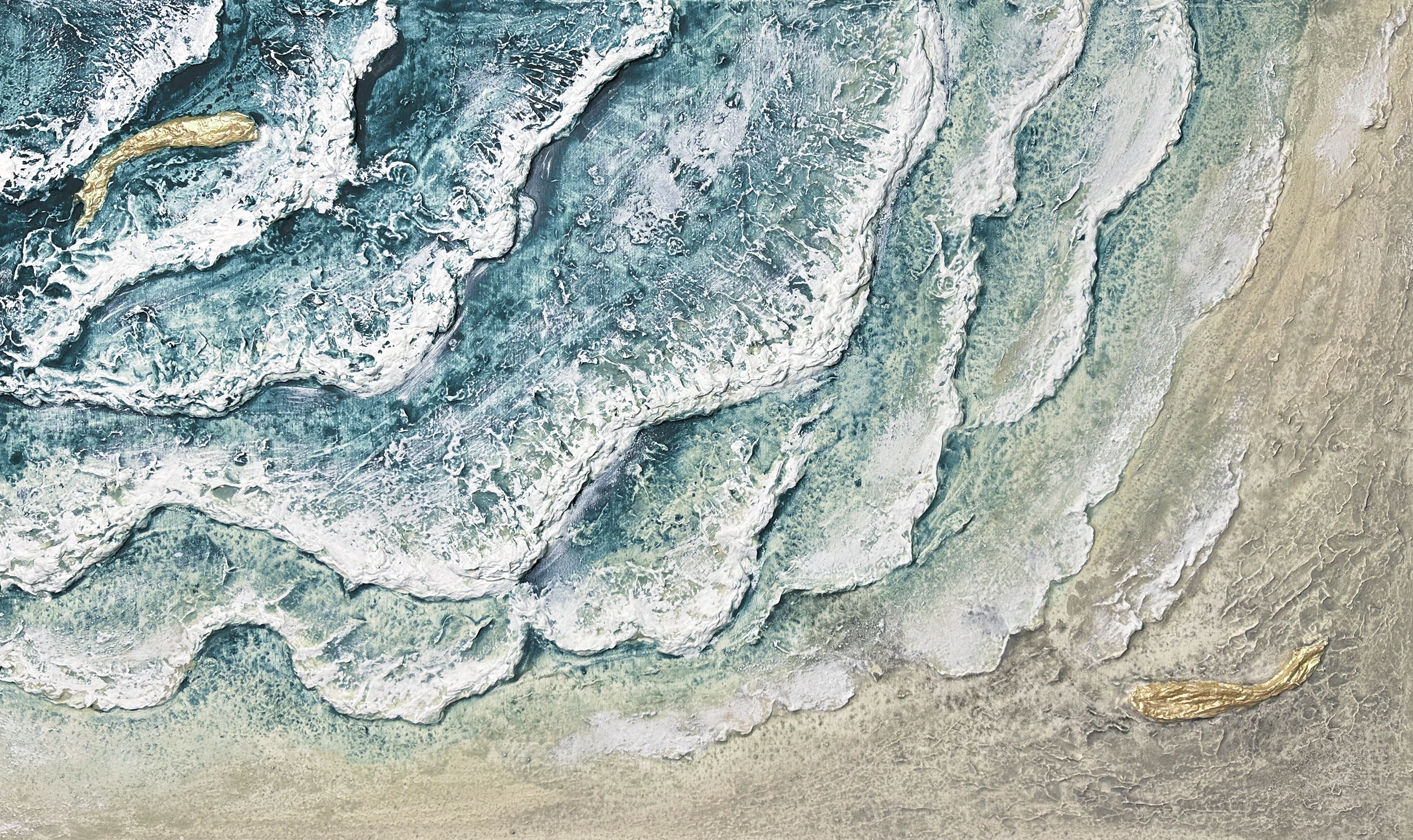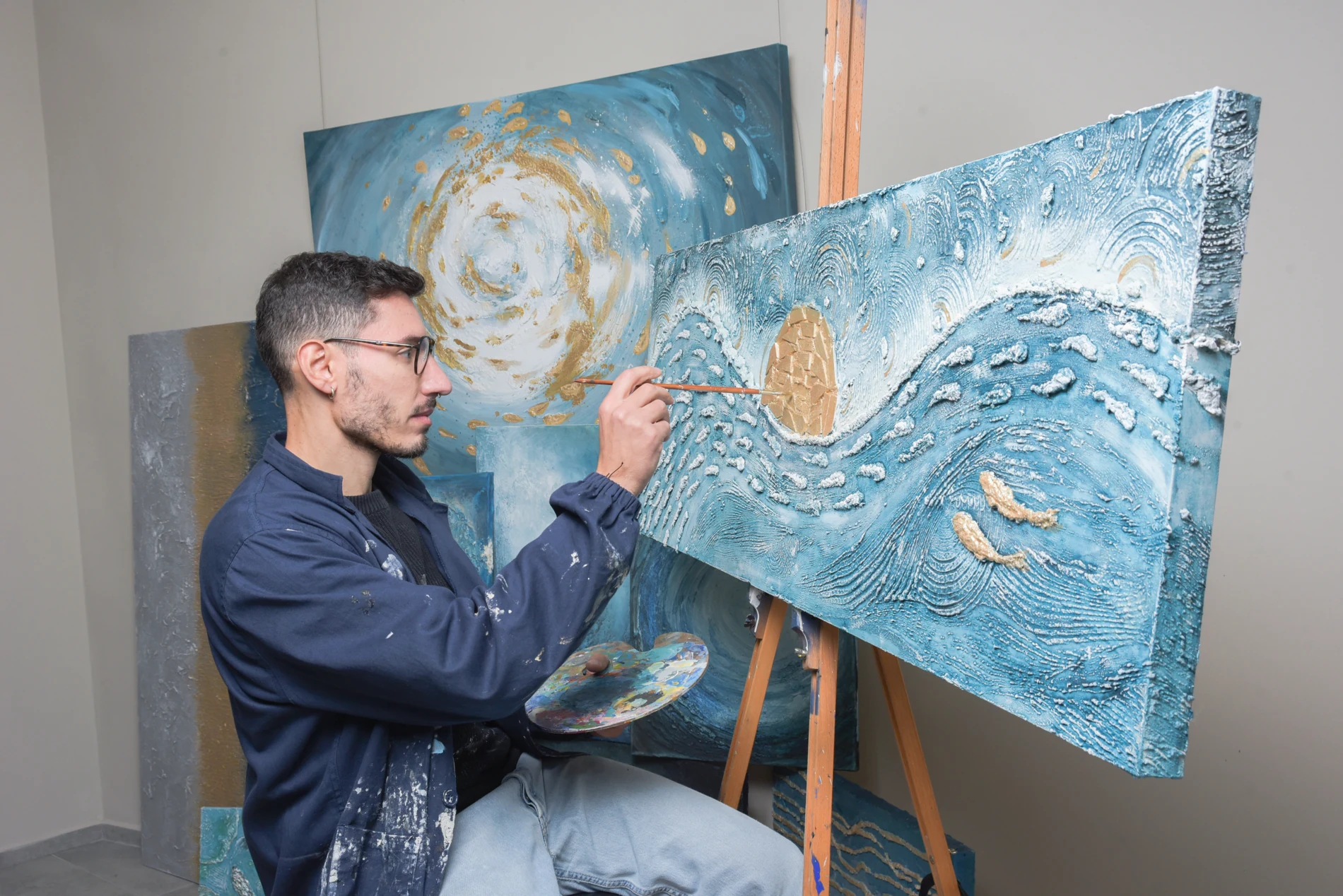
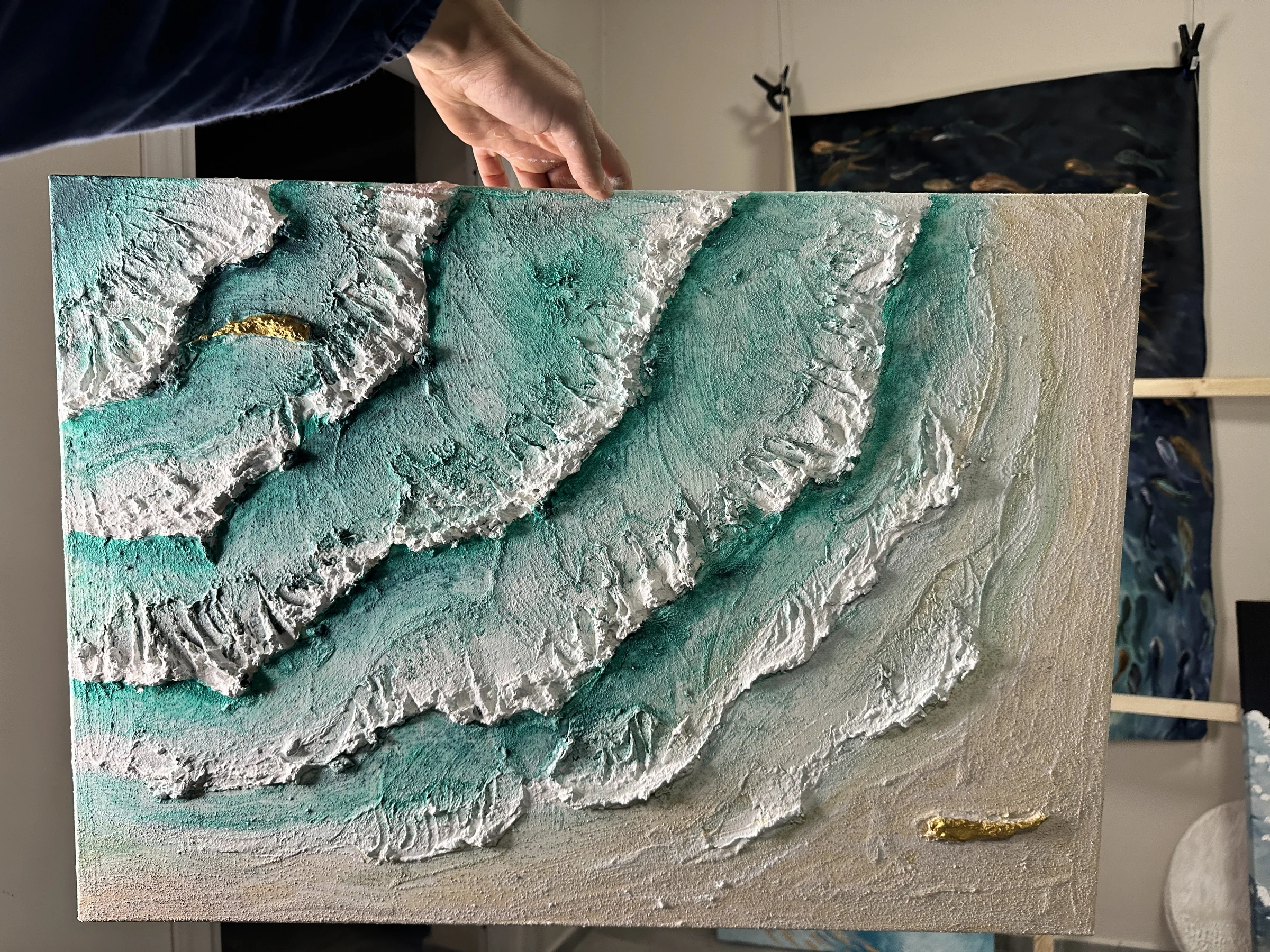
Caring for a canvas painting begins with prevention: suitable placement and the artist’s specific instructions are more useful than a household cleaning recipe. Paint is not a washable surface. If you notice ingrained dust, a stain or a change to the surface, avoid trying products or tools and ask for an assessment before intervening.
Identify the artwork before cleaning
Canvas, preparation layers, paint and any finishes form a combination of materials that can react differently. Oil, acrylic and mixed-media paintings do not automatically require the same treatment. Even a recent work may have characteristics that cannot be identified by looking at its surface.
Keep the artwork description, certificate and supplied care instructions. If you do not know the technique, ask the artist or seller before searching for an online remedy. An accurate description of the problem and a clear photograph are useful starting points for the conversation.
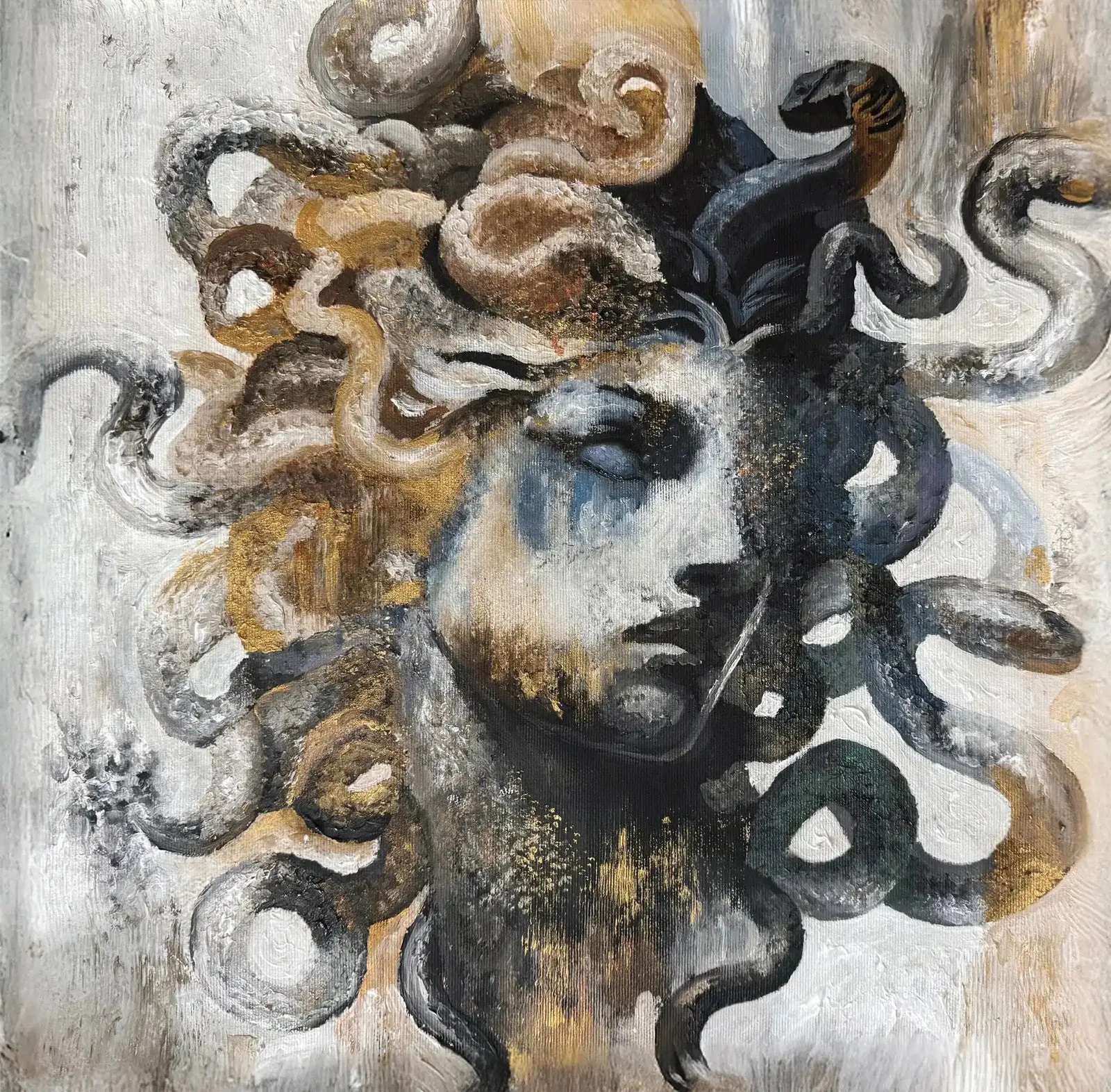
Dust on paint requires caution
The Canadian Conservation Institute warns that even dusting can remove small flakes that are not immediately visible. Cloths, feather dusters and rubbing are therefore not general solutions for painted surfaces. Also avoid vacuuming or directing compressed air at the work: the absence of water does not make an intervention harmless.
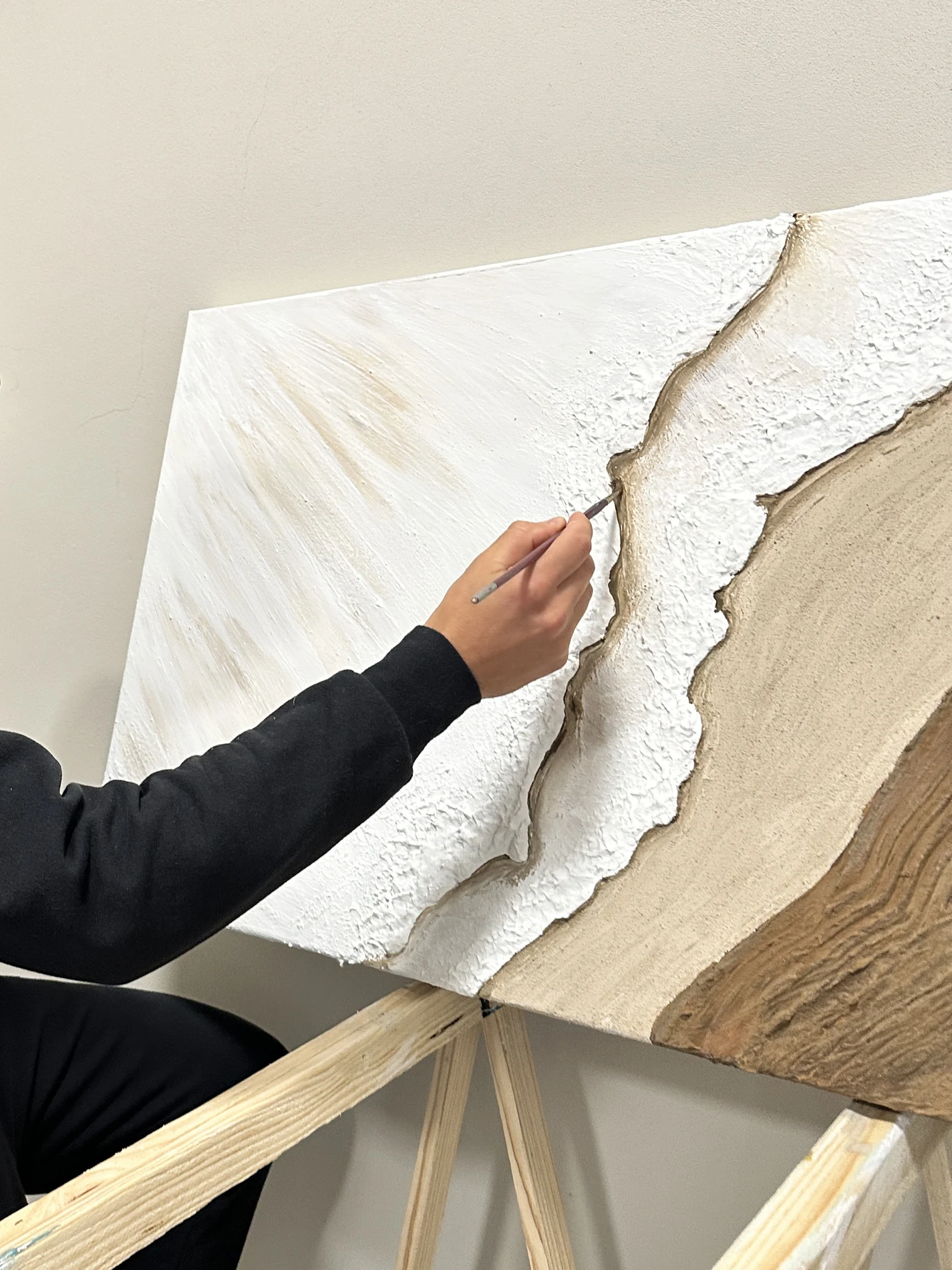
You can reduce dust in the room and on nearby surfaces while avoiding contact with the painting. Before bringing any tool close to the paint, ask for guidance for that specific work. A surface with raised and recessed areas needs particular attention because it does not behave like a flat panel.
Water and household products are not a universal method
Do not experiment with water, detergents, alcohol or solvents. The Smithsonian Museum Conservation Institute describes acrylic surfaces’ sensitivity and the difficulties of cleaning them. A material’s properties during making do not mean the finished painting can be treated like a washable household object.
If a guide promises one treatment for every canvas, consider what information is missing: technique, paint condition, finishes and the nature of the dirt. Even a test in a corner can cause damage. Asking for advice first allows an intervention based on the actual artwork.
Choose a wall that helps protect the painting
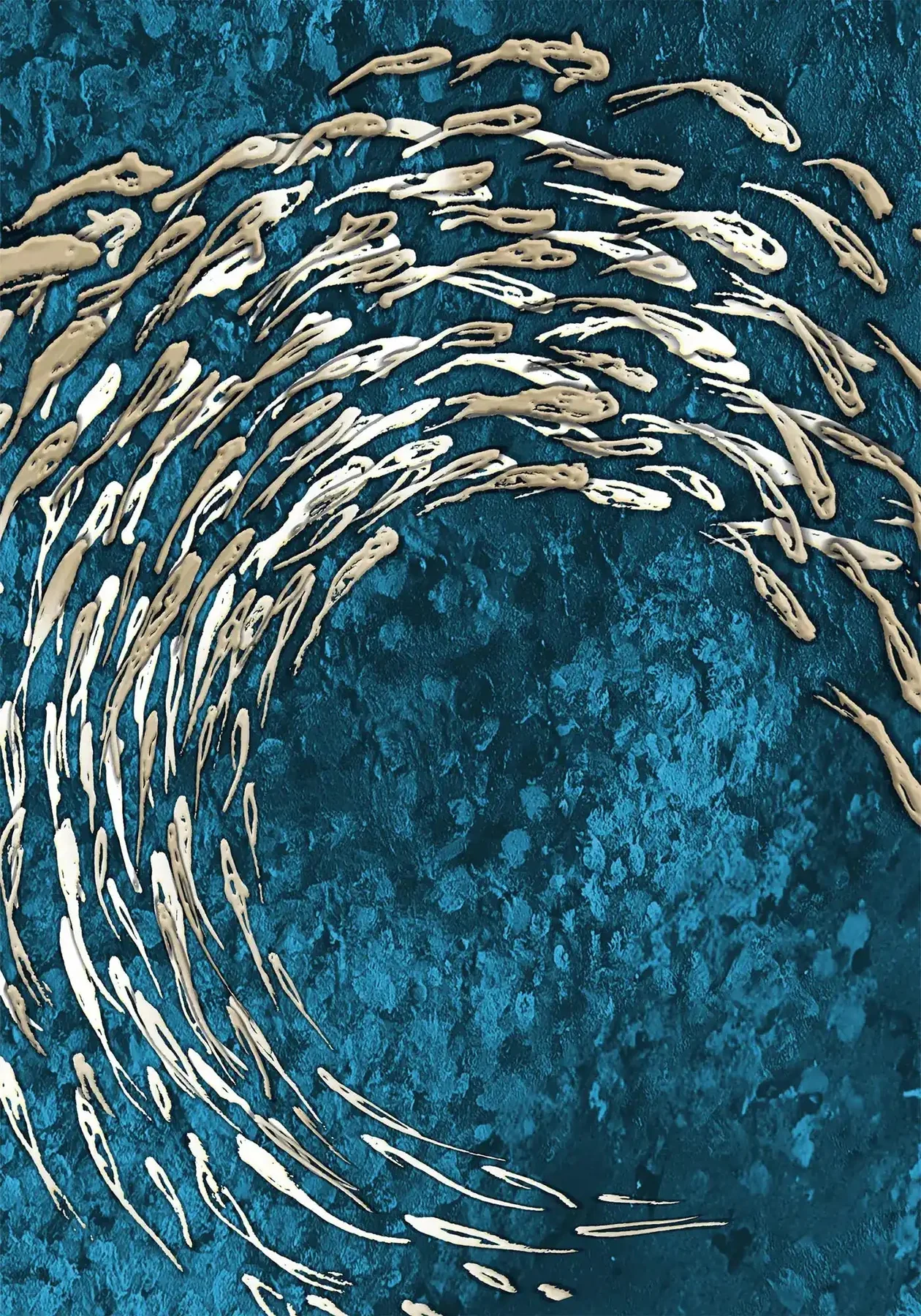
Avoid direct sunlight, nearby heat sources and places exposed to splashes or large environmental fluctuations. A wall above a radiator or near kitchen steam needs a different assessment from a sheltered internal wall. Consider how the room is used as well as how it looks.
Periodically check conditions without touching the surface: look for changes, furniture moved too close or a new lamp directed at the work. If you move home or change furnishings, reassess the location rather than automatically keeping the same habits.
Assess the light on your wall →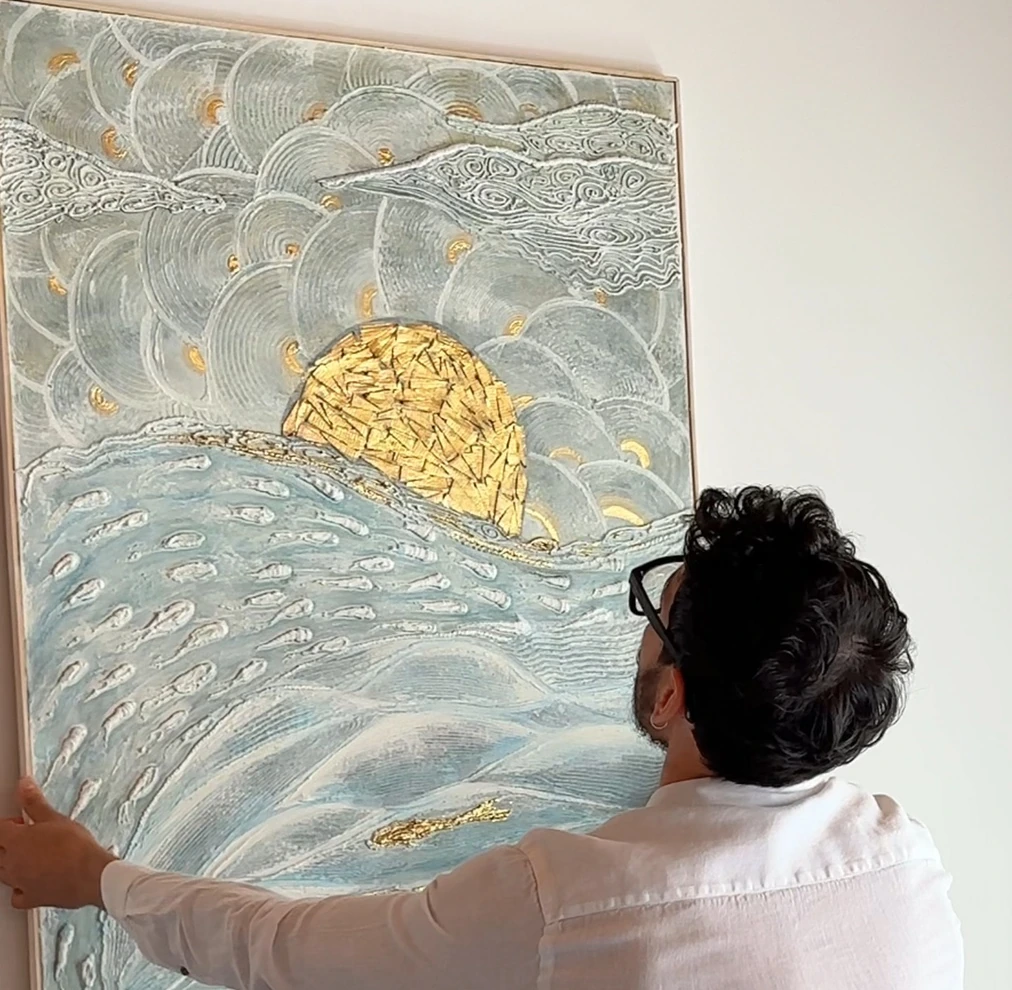
What to do if you notice a problem
A new stain, lifting paint or damage to the canvas needs a specific assessment. Do not glue, retouch or try to straighten the surface. For a damaged work, a paintings conservator can determine the next steps. The artist can provide information about materials and making.
Note when you noticed the change and whether there have been impacts, leaks or moves. Photograph the whole work and the detail without pressing on the canvas. These notes do not replace direct examination, but help explain the situation clearly and avoid improvised treatment.
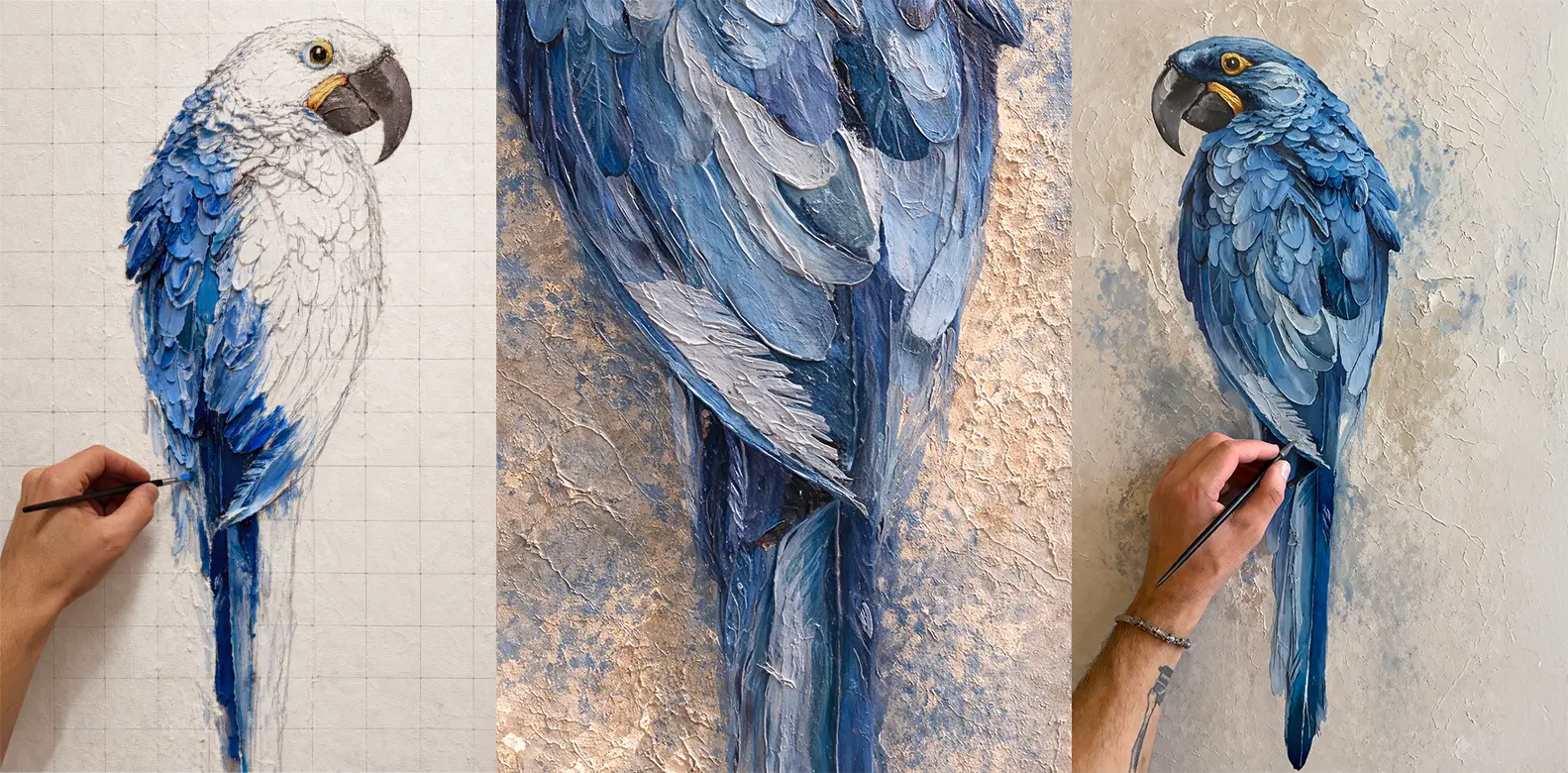
For a work by Alessandro Vinci, keep the care instructions supplied with the painting. If you are unsure about placement or notice a change, contact us before intervening on the surface.
Ask about your artwork →