To light a painting at home, first assess the light already reaching the wall and your viewing positions. Aim for clear visibility without glare, dominant reflections or heat on the surface. The solution depends on materials, finishes and setting: a light that brings out relief may not suit a different artwork.
Observe the wall throughout the day
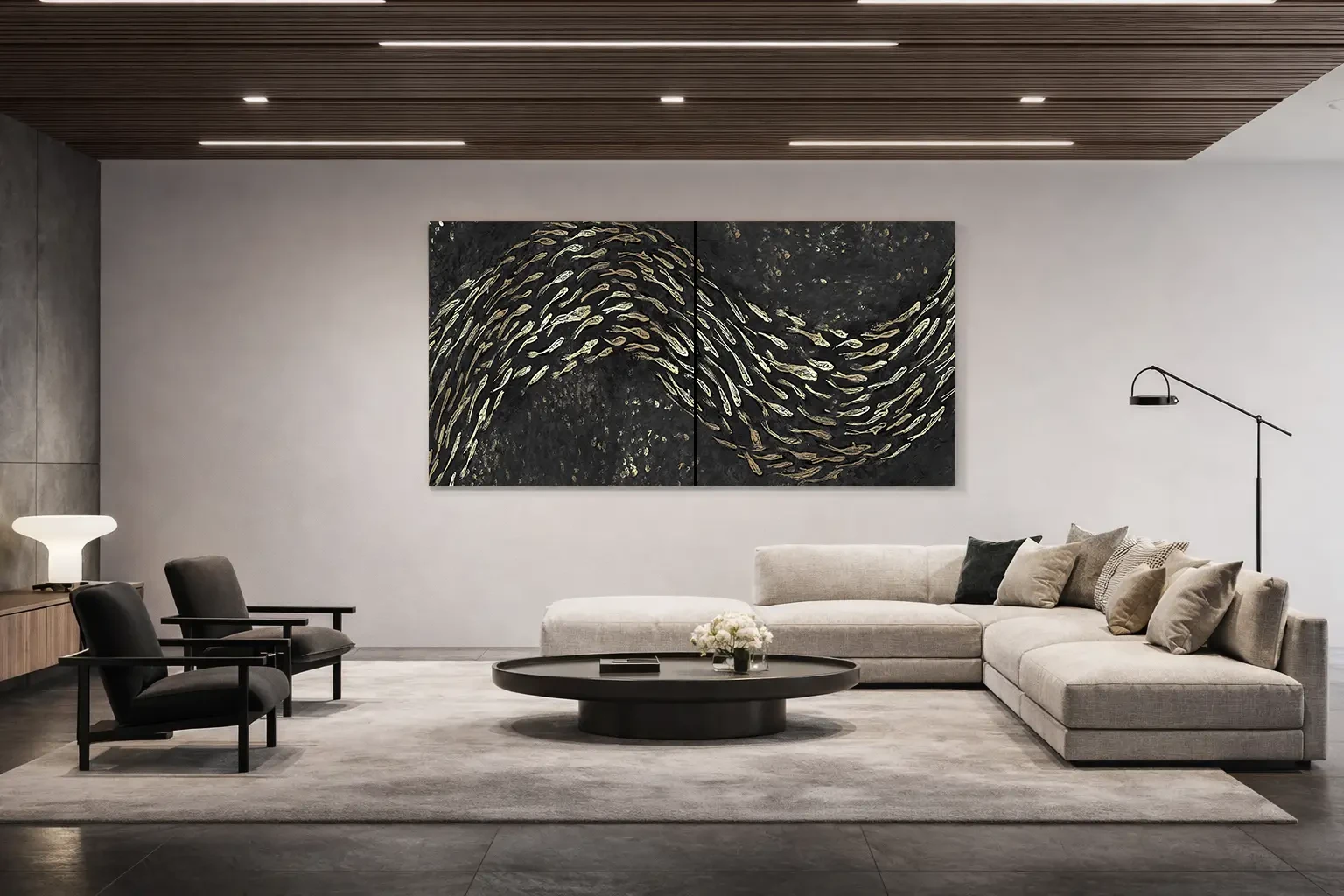
Look at the wall in the morning, afternoon and with the lamps on. Note when direct sunlight reaches it and whether a window reflects in the work. For preservation, avoid direct sunlight: a bright position in an interior photograph is not automatically suitable for continuous display.
Before adding a spotlight, check whether the existing light is enough at the times you want to view the painting. If the problem is only a reflection, adjusting the source’s direction or position may be more useful. Start with what interferes with viewing, then choose the necessary intervention.
Assess light quality, not just output
When choosing a lamp, consider how it renders colours. The colour rendering index, or CRI, helps describe this aspect, but does not fully define a light source’s quality. The Canadian Conservation Institute recommends trying good-quality lamps before choosing the final installation.
Colour temperature describes whether light appears warmer or cooler. Compare it with the room’s other lighting to avoid creating a disconnected visual island. There is no need to assign warm light to every warm painting or cool light to every blue painting: observe the actual result on the paint.
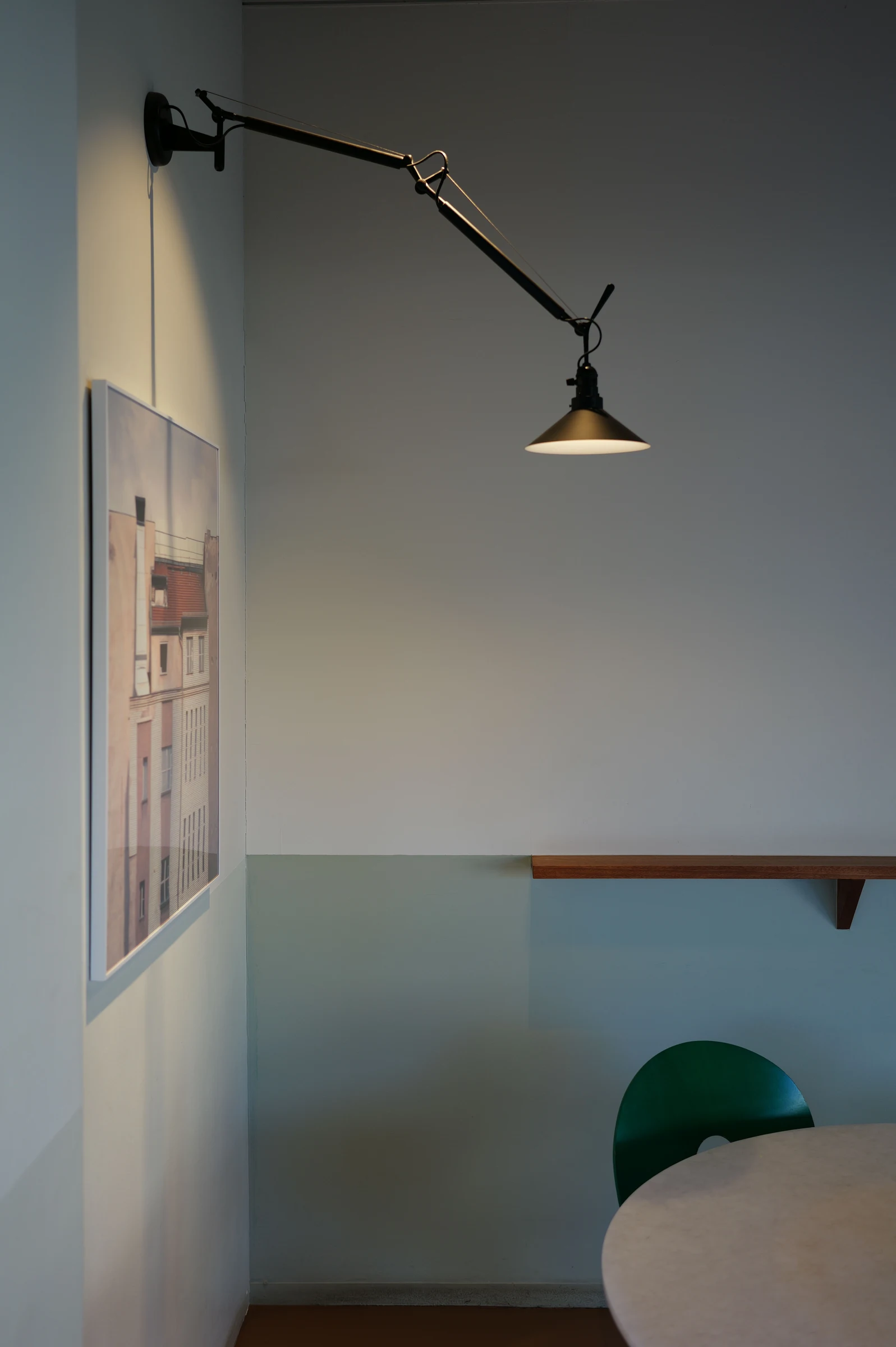
Reduce reflections and unwanted shadows
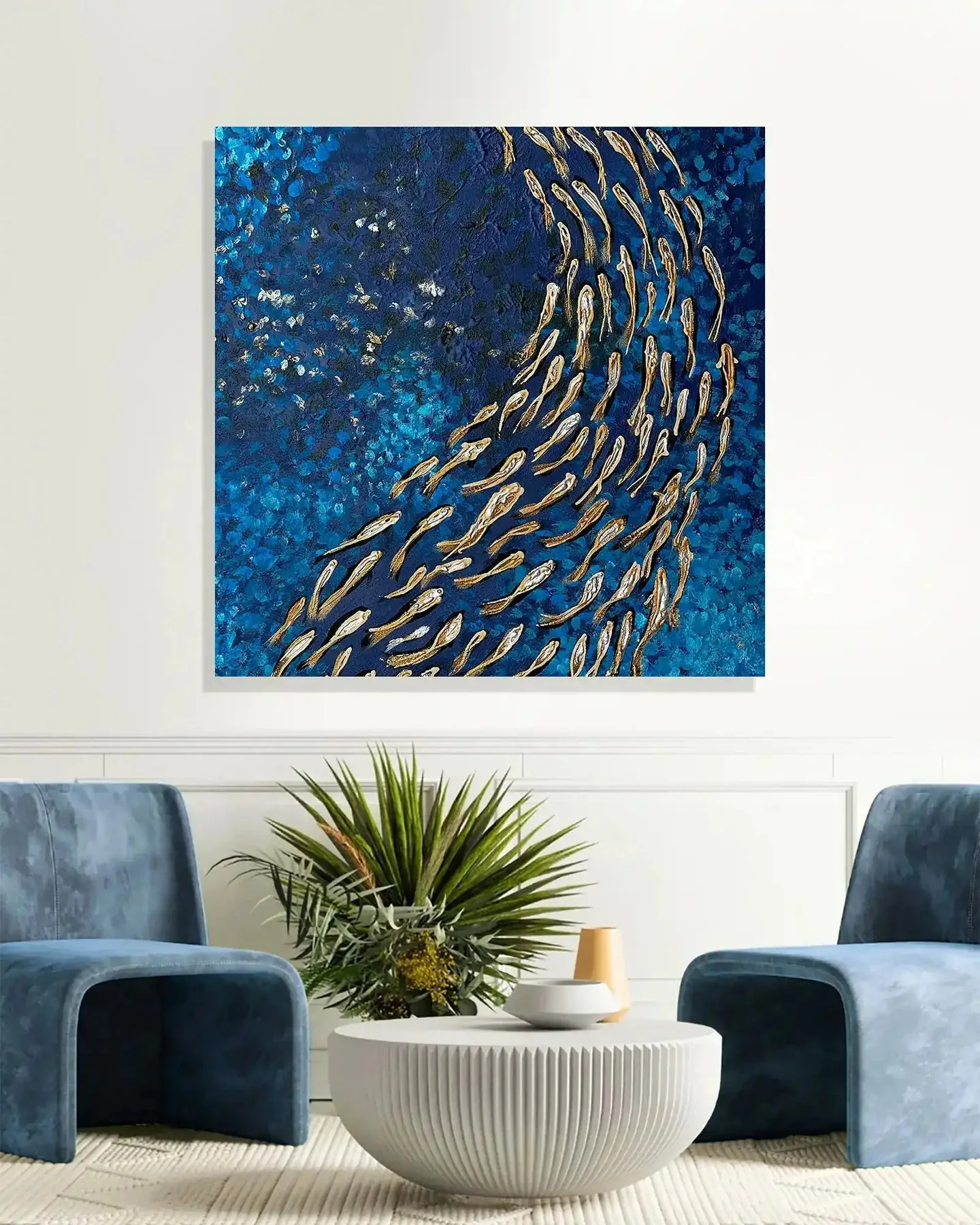
Check the painting from your usual positions: a seat, the entrance, the table. A reflection invisible while standing may be obvious from the sofa. With an adjustable source, compare directions before final installation rather than assuming one suggested angle works for every height and surface.
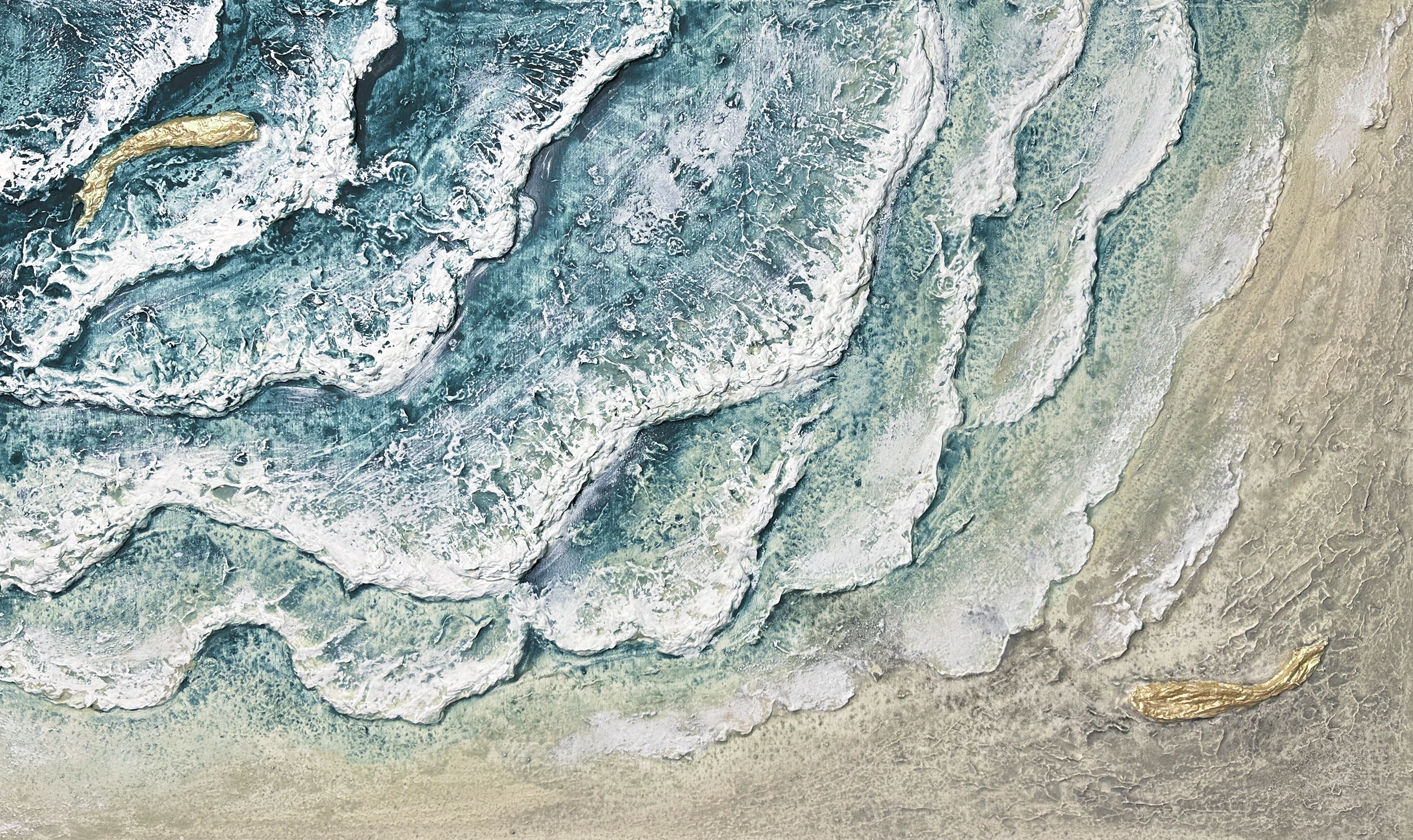
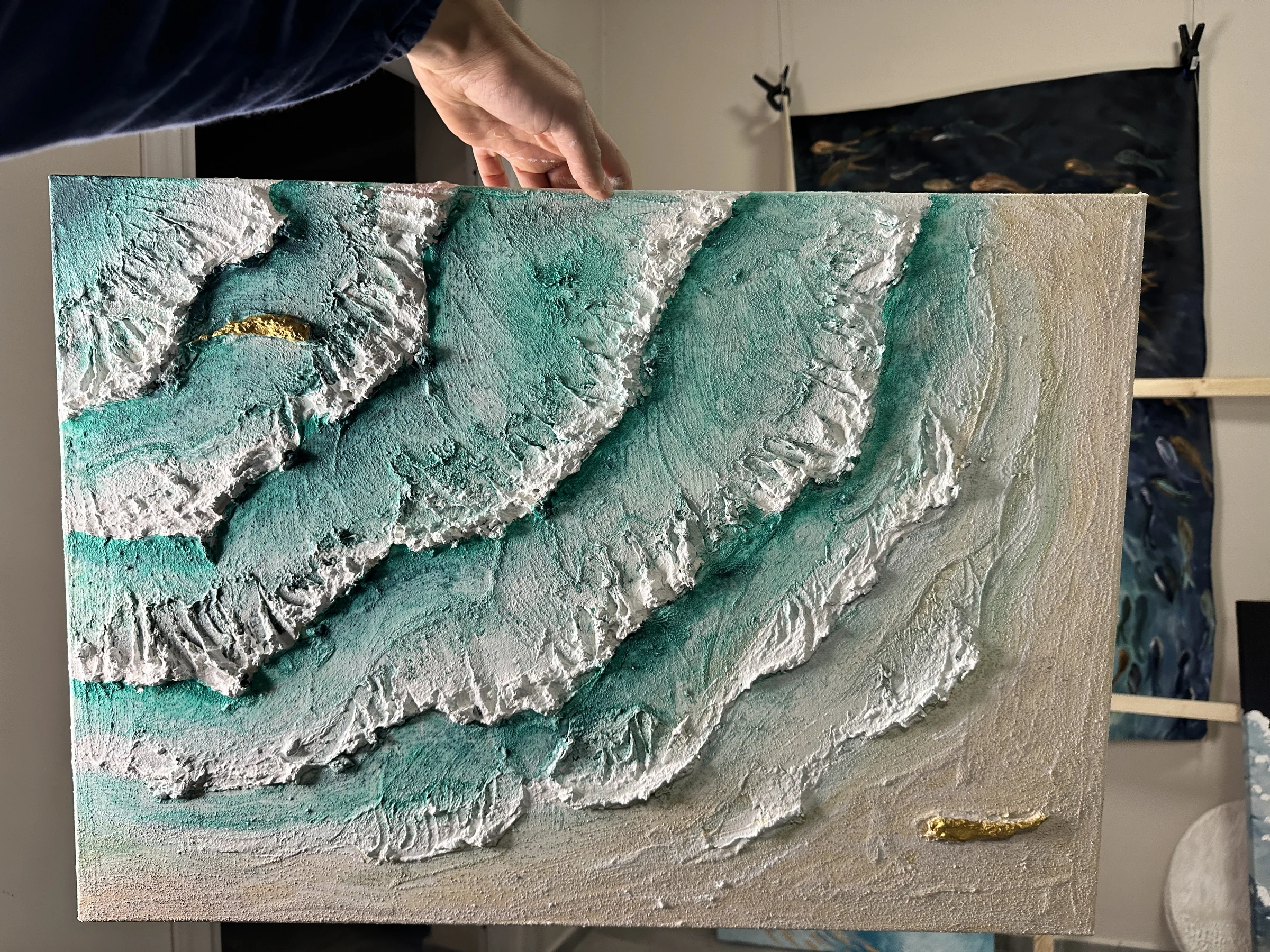
On a textured painting, strong raking light emphasises shadows and thickness but may make the subject harder to read. More diffuse light can soften this effect. Seek a balance that lets you see both the image and the surface rather than the strongest possible relief.
Understand a textured painting’s surface →
Light the work when needed, with care
Light damage also depends on exposure duration and can accumulate over time. Keeping bright display lighting on all day adds exposure even when nobody is looking. Dimming and switching it off when not needed help limit this.
Do not choose a distance only for its dramatic effect. Check that the source does not heat the surface and follow guidance for the work’s materials. Use a professional for electrical installation and system choices; request a specific conservation assessment for a particularly sensitive artwork.
How to care for the painting day to day →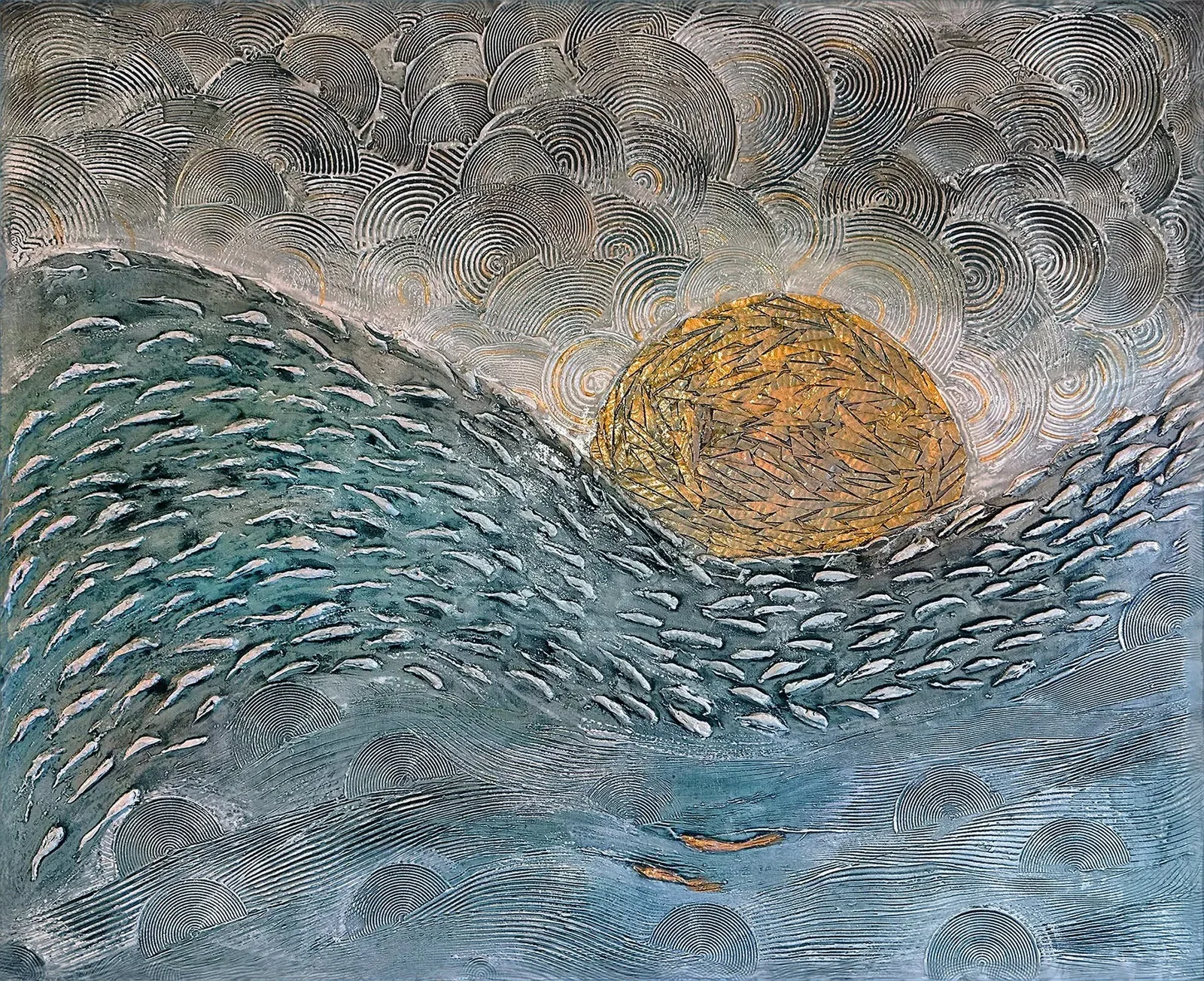
Prepare a useful trial before deciding
Photograph the wall in daylight alone and with evening lighting. Note window positions, available lamps and places where you notice reflections. If you are planning a commission, share this information with a front-view photograph: it helps discuss finishes and surface presence from the first proposals.
During the trial, compare one variable at a time: direction, intensity or lamp type. Keep the viewpoint constant and assess the whole work. A phone may automatically adjust brightness and white balance, so use photographs as notes and give priority to direct observation.
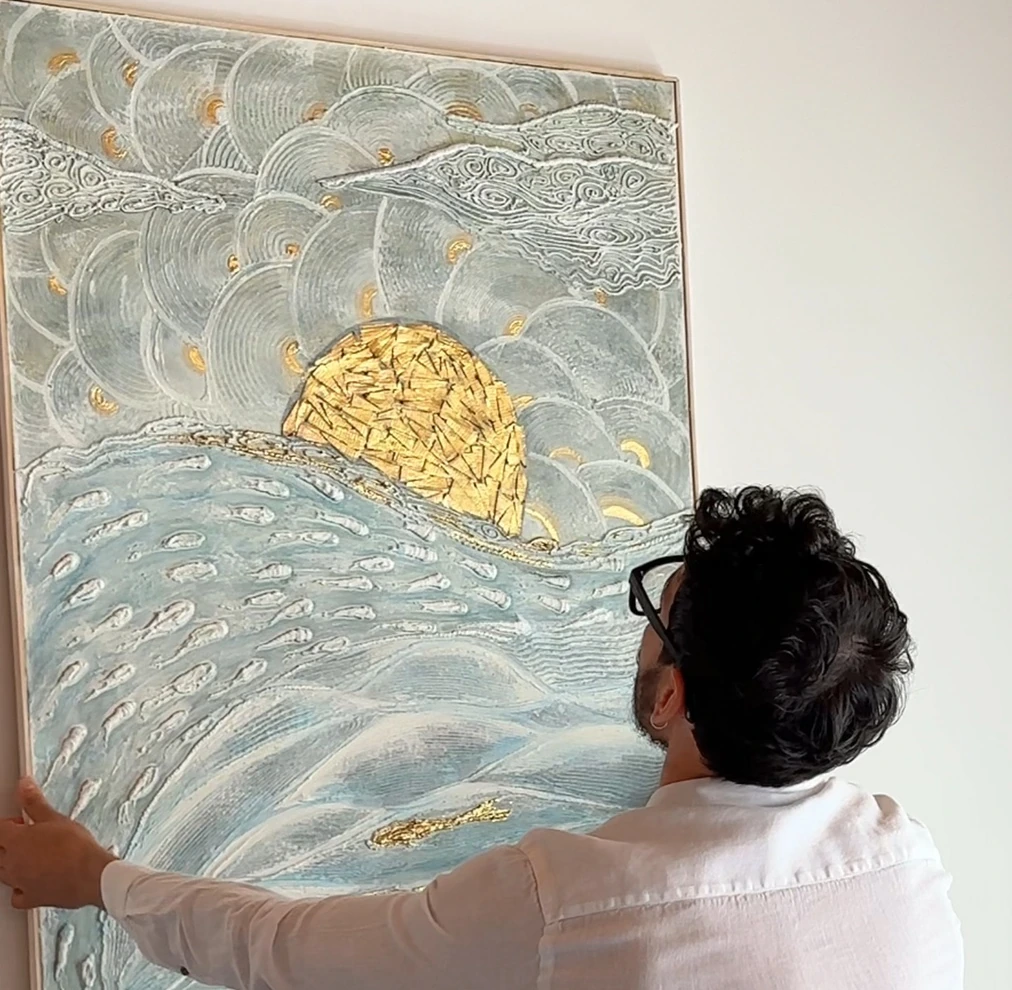
Light is part of the painting’s design. If you are choosing a commission, we can look at photographs of your wall and consider how colour and texture will meet the space.
Let’s assess your wall and its light →